
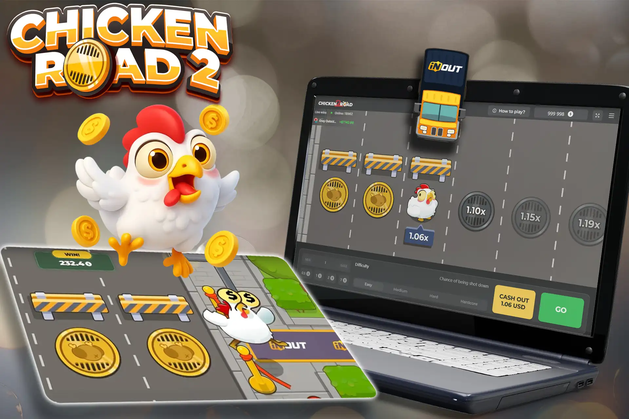





Chicken Road 2

Demo Chicken Road 2 In France

Test Chicken Road 2 in trial mode in France: rules, pace, limits and tips for playing calmly in 2026.

Chicken Road 2 demo
demo image 1
Chicken Road 2

Chicken Road 2 Demo: Why Start With The Trial

The trial mode serves a simple purpose: to understand your own reaction before committing money. Imagine you start a game “just to see,” then the pace pushes you to click faster. Without a framework, discovery and impulsivity are confused, and the session turns into a series of random decisions.

Starting with the trial is also about learning to read the game without pressure. You observe the tempo, the clarity of the rules, and the type of tension you feel when the result varies (some players remain calm, others immediately want to “correct”). This observation is worth more than a promise of “I’ll manage,” because it’s based on what you actually do, not what you’d like to do.

Another advantage: you can test routines. For example, a fixed break every few minutes, an external timer, and a unique exit rule. Imagine you come back from a break and the urge to push has disappeared – you've just verified that the break works for you. Conversely, if you come back even more tense, you already know that your best strategy is to close.

Finally, the trial helps to remain consistent with a responsible framework. In France, access must comply with applicable rules and the activity is reserved for adults. There's no need to invent guarantees: control comes from your limits, your pace, and your ability to stop cleanly.

Chicken Road 2

Top casinos for playing Chicken Road 2 — current list

ALF Casino

ALF Casino

Mafia Casino

Mafia Casino

SG Casino

SG Casino

Retro Bet

Retro Bet

leovegas

LeoVegas

Chicken Road 2

Getting Started With Demo Chicken Road 2

Before playing, put order where it counts. Imagine you're on mobile, tired, and you enter “just five minutes.” If you haven't set a budget or duration, those five minutes quickly become half an hour, especially when the game gives you the impression that “something is happening.”

Start with a clear intention: to test the functionality, understand the mechanics, or simply practice stopping. Then, set a maximum duration (a timer outside the game is more reliable) and a mental session budget, even if the trial doesn't consume real money. The goal is to train your discipline, not just to watch the screen.

First Connection And Essential Settings

Imagine you're trying it on a phone that receives a lot of notifications. One interruption is enough to make you lose your train of thought, then you go back to “autopilot.” The solution is simple: silent mode, no multitasking, and a scheduled break in the middle of the session.

If registration is offered, do it with a clear head, not in the middle of an adrenaline rush. Verify your account information, secure access (unique password, session logout), then return to the game. Even in trial, building good habits now prevents errors later, when you're tempted to speed up.

Chicken Road 2

Chicken Road 2 Demo Play: Building A Routine

Routine is your best protection because it reduces impulsive decisions. Imagine you start calmly, then you see a sequence that excites you. Without a routine, you change your bet, you chain actions, you extend. With a routine, you follow a plan: same duration, same pace, same breaks.

The key point in 2026 is to avoid the “elastic” session that stretches endlessly. A simple routine makes it predictable: you start, you take a break, you resume or you close, and you leave the game without negotiating.

Manage Budget Even In Trial Mode

Even without real money, practice as if every click counts. Imagine you tell yourself “it’s just a trial,” then you take absurd risks. The day you play with money, those reflexes will return. It’s better to learn to be consistent right away.

A practical method is to give yourself a “decision budget” rather than a money budget. For example: a limited number of attempts, a single betting strategy, and no changes under emotion. Imagine you lose a series and the urge to increase appears. Instead of giving in, you take a break and resume with the same bet or close. You've just gained a skill, not a sum.

Another technique: divide the session into blocks. Block 1 to understand the rhythm, block 2 to test stability, block 3 only if you are still calm. If you are no longer calm, you don't “deserve” block 3 - you postpone it. This kind of rule seems strict, but it frees the mind: you no longer need to argue with yourself.

Rhythm, Breaks And Clean End

Imagine you play fast and your hand clicks before your brain decides. It's common. A break isn't an option “if I think of it,” it's part of the plan. A screen-free break, even a short one, breaks the automatism and gives you back the ability to choose.

The clean end, however, is prepared at the start. You set an exit time and you stick to it. No “last try,” no “I'll end on a good note.” If you're looking for a good note, you'll always find a reason to continue. Instead, look for consistency: respect your rule, close, and come back another day.

demo image 2
Chicken Road 2

Chicken Road 2 Demo Game: What To Observe

The trial is not just about "playing for free." It's about observing the game's structure and your behavior. Imagine trying to understand everything in one minute. You put pressure on yourself, miss details, and draw conclusions too quickly. Approach the trial as a progressive reading: first the rhythm, then the triggers, finally your reactions.

Three things deserve special attention: the clarity of the rules, the feeling of volatility (perceived variations), and the point where you start to lose your patience. In 2026, this last point is crucial: fatigue and speed on mobile make decisions more impulsive, so the game "pushes" you more easily to stay.

Read The Mechanics Without Rushing

Imagine you start a game and don't understand what triggers the highlights. You compensate by clicking more, changing your bet, and getting frustrated. The right approach is the opposite: slow down, reread the rules, and isolate just one thing to observe.

Concretely, choose a reading objective. For example: "today, I'm only looking at how the game transitions from one phase to another." Then, mentally note what repeats. The trial then becomes a learning tool, not an excuse to keep going.

Test Bet Levels Without Getting Trapped

Imagine you increase your bet just to "feel more action." Even in a trial, this reflex feeds a pattern: associating excitement with increased risk. To test intelligently, set thresholds and a rule: no increase after a negative sequence, only after a break.

You can also do the opposite: start slightly higher for a very short time, then go down to see if your stress decreases. If your stress decreases when you go down, it's a strong indicator: your ideal bet is lower than your ego admits. And this indicator, in a trial, costs zero.

Pay attention to one thing: the illusion of control. When you change your bet at the wrong time, you feel like you're "managing," when in fact you're reacting. If you want to manage, you change at the planned moment, not at the emotional moment.

Compare Mobile And Computer

Imagine that on your phone you play faster and exceed your own time limits, while on a computer you are more composed. Many players have this contrast, and it changes everything. The trial also helps you choose your primary platform.

Test two identical mini-sessions: same duration, same breaks, same objective. If mobile speeds you up, use it rather to check history and make adjustments, and reserve the computer for planned sessions. If it's the opposite, adapt. The idea is not to be "against mobile," but to choose the tool that makes you stable.

Chicken Road 2

Transition From Trial Mode To Real Play

The switch to real money play is not a click, it's a decision. Imagine the trial went well and you feel confident. The temptation is to go straight into a long session. However, the best transition is gradual: a small session, a strict budget, and the same breaks as in the trial.

Before switching, make sure you have three things: a session plan, activated limits, and an exit routine. If you don't have these three elements, you're not ready - even if you "know how to play." What derails players is not ignorance, it's the lack of structure when emotion rises.

Also think about administration. Deposits, withdrawals, history, support: these are comfort elements. If you don't understand them, you play with underlying tension. In France, the right reflex is to remain in usage compliant with applicable rules and reserved for adults, while keeping a clear record of your actions (dates, amounts, statuses), without telling yourself stories.

Checkpoint

What You Do

What You Check

Mastery Tip

First Real Bet

Small test session

Budget consistency

Same routine as the trial

Deposit

Modest amount

Confirmation in history

Avoid rushing

Withdrawal

Cool-headed request

Readable status

Check at fixed times

Limits

Time + expense cap

Active settings

External timer recommended

Support

Structured message

Actionable response

One request, one topic

After this step, maintain the same discipline as in the trial. Many players make the opposite mistake: they become serious about money, then they forget about breaks. This is exactly where impulsivity returns. The right way to transition to real play is “same routine, more caution.”
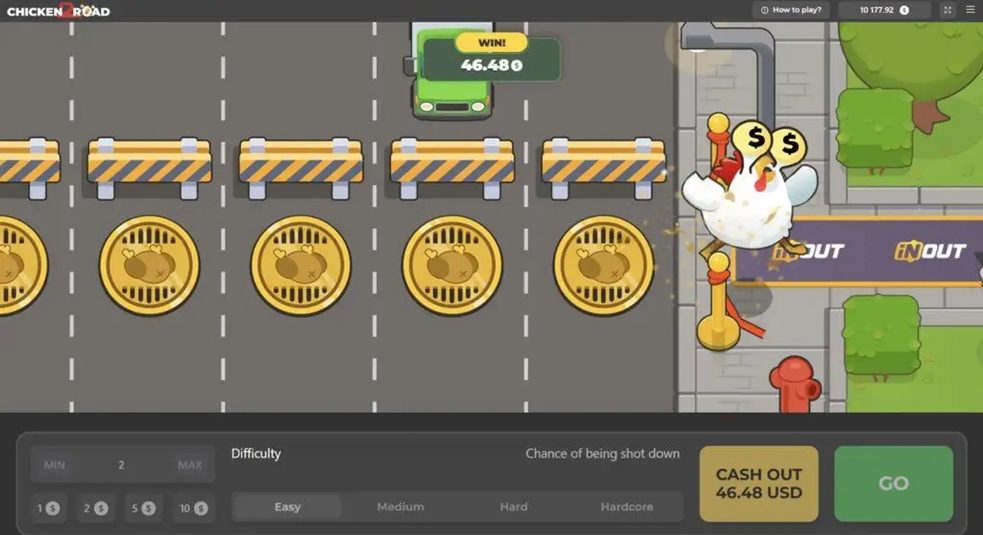
demo image 3

Support, Security And Habits 2026

Security and support should not be topics “for later.” Imagine you have a small technical issue, you insist ten times, and you start to get annoyed. It’s not the problem that costs you dearly, it’s the annoyance: it pushes you to make bad session decisions.

In 2026, a good habit is often enough: treat issues like a diagnosis. Connection, update, restart, then only support. And on the security side, the basics remain simple: unique password, session logout, and no open account on a shared device.

Write To Support With Useful Details

Imagine you send “it’s not working” and expect an immediate solution. You get questions back, you lose time, and your patience collapses. Instead, send a short, structured message: what you were doing, what you see, when, and the expected result.

Add the important information: date, amount if it's related to a transaction, and visible status. One clear request is better than ten follow-ups. And while you wait for a response, don't play again “to pass the time”: you're mixing support and gaming, and it often ends in an unplanned session.

FAQ

How to test trial mode without rushing?

Start by setting a short duration and a single objective, such as understanding the rhythm or identifying key triggers. Imagine you arrive tired: you'll be tempted to go fast, so set an external timer and enforce a break in the middle. During the break, ask yourself a simple question: am I calm or am I forcing it? If you are calm, resume with the same stake; if you are tense, close and come back another day. The trial is for learning your reflexes, not for “ending on a good note.”

What is the best way to choose a comfortable stake?

Choose a stake that doesn't put pressure on you every round, then keep it stable throughout the training session. Imagine you feel the urge to increase after a negative streak: that's a sign of stress, not a strategy. Take a break, then decide calmly. A comfortable stake is one that allows you to respect your breaks, your duration, and your exit rule, without internal negotiation.

Why can mobile make sessions longer?

On mobile, everything is faster: the gesture, the visual feedback, and the temptation of “just one more round.” Imagine you're playing with distractions around: your brain seeks rhythm and you keep going. To compensate, reduce the duration, put the phone on silent mode, and keep the timer outside the game. If you find that you always exceed your limits on the phone, reserve it for browsing and play your planned sessions on a computer.

How to avoid falling into the recovery reflex?

The recovery reflex happens when you play to correct an emotion. Imagine you're slightly down and you think “I'll get back up and stop.” In that moment, your plan must be stronger than your desire: screen-free break, then decision. An effective rule is simple: no stake increase after a negative sequence, only after a break, and only if you are still calm. Otherwise, you close, even if it bothers you.

What to check before moving to a real money session?

First, check your structure: clear budget, time limit, planned break, and unique exit rule. Imagine you go live without these elements: the first variation will make you improvise. Then, make sure you understand the history, transaction statuses, and the way to contact support. A successful transition is gradual: small session, same habits as the trial, and no extension “out of confidence.”

How to track a transaction without falling into anxiety?

Set specific times to check the status instead of continuously refreshing the screen. Imagine you're checking every minute: you increase your tension and create a desire to play again while waiting. Note the date, amount, and visible status, then give it time. If you need to contact support, send a structured message with this information, which reduces back-and-forth and prevents you from playing under stress.

When is it best to take a real break?

When you see a pattern: sessions getting longer, a desire to force, or using the game to change your mood. Imagine three consecutive evenings where “ten minutes” turns into an hour: it’s no longer a coincidence, it’s a cycle. A longer break breaks the cycle, gives you perspective, and allows you to return with lower limits and shorter sessions. It’s a practical decision, not a punishment, and it protects your budget as well as your balance.

Play Now
🇬🇧 English